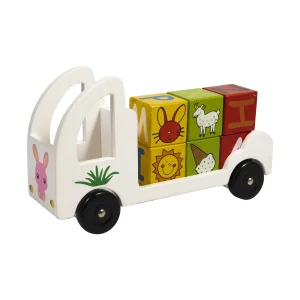
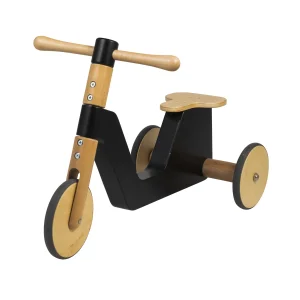
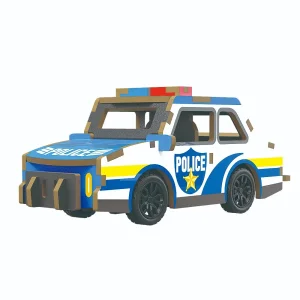
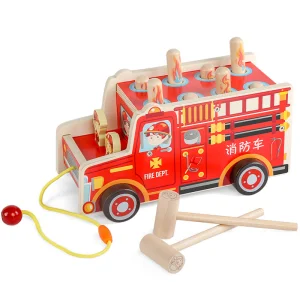
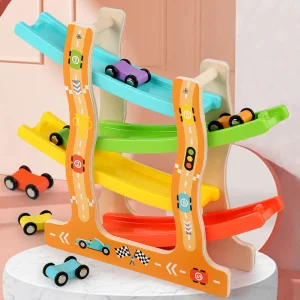
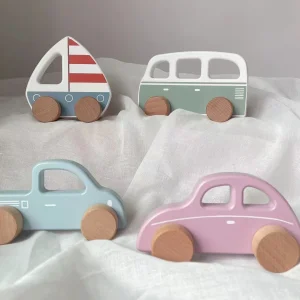
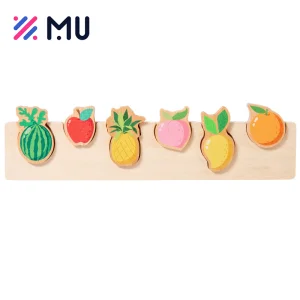
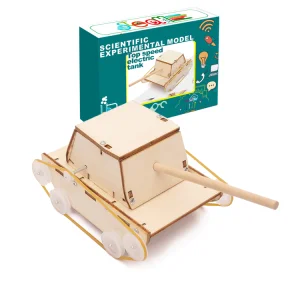
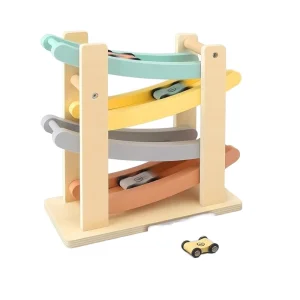
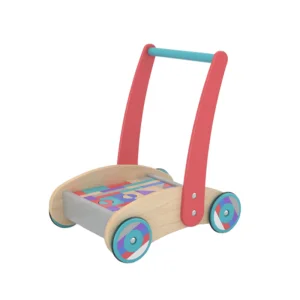
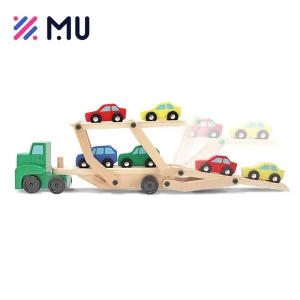
In the contemporary B2B toy landscape, the demand for Wooden Toy Cars has transcended traditional play. As global manufacturers and suppliers, we are witnessing a paradigm shift driven by the "Green Toy Movement" and ESG (Environmental, Social, and Governance) mandates. Professional buyers from North America, Europe, and the Asia-Pacific region are increasingly seeking partners who offer more than just a product; they require Information Gain regarding material provenance, carbon footprint, and cognitive developmental benefits.
The global wooden toy market, valued at billions, is projected to grow significantly as plastic alternatives face stricter regulations and consumer backlash. As a leading supplier, Shanghai Hoopla Toys Co., Ltd. integrates AI-driven supply chain forecasting with artisanal wood-crafting techniques to meet this surging global procurement need.
Utilizing high-precision CNC routing and UV printing technology to ensure every joint, wheel, and axle meets sub-millimeter tolerances for safety and durability.
Our roadmap prioritizes renewable Beech, Rubberwood, and Plywood, treated with water-based, solvent-free lacquers that exceed international safety norms.
From DDP shipping for Amazon FBA sellers to bulk container loads for retail giants, our logistics solutions are optimized for the modern supply chain.
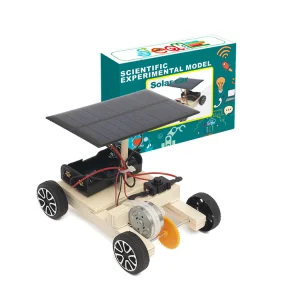
The technical roadmap for wooden toy cars is evolving. We are currently prototyping "Hybrid Play" models—integrating subtle electronics (STEM components) into wooden chassis. This preserves the tactile, sensory benefits of wood while preparing children for a digital future. Our focus remains on the Montessori philosophy, ensuring that our cars encourage open-ended play and motor skill development.
Shanghai Hoopla Toys Co., Ltd. is a premier manufacturer and exporter of premium children's ride-on toys in China. Headquartered in the vibrant, modern metropolis of Shanghai, our high-tech manufacturing facility is strategically located inland, allowing us to combine cutting-edge design capabilities with efficient, large-scale production.
As a dynamic and rapidly growing enterprise, we deeply value product quality, design integrity, and long-term partnerships. Our core mission is to innovate and develop high-quality, engaging, and durable ride-on toys at highly competitive prices, ensuring total satisfaction for our global customers, distributors, and suppliers.
At Hoopla Toys, we firmly believe that children's safety always comes first. Our dedicated R&D and quality assurance teams design every product with the highest safety standards in mind. To ensure seamless entry into global markets, all of our products strictly comply with international toy regulations and have successfully obtained leading certifications, including:
From raw material selection (using non-toxic, eco-friendly plastics and high-grade sustainable wood) to the final assembly line, we implement rigorous quality control protocols at every stage of production.
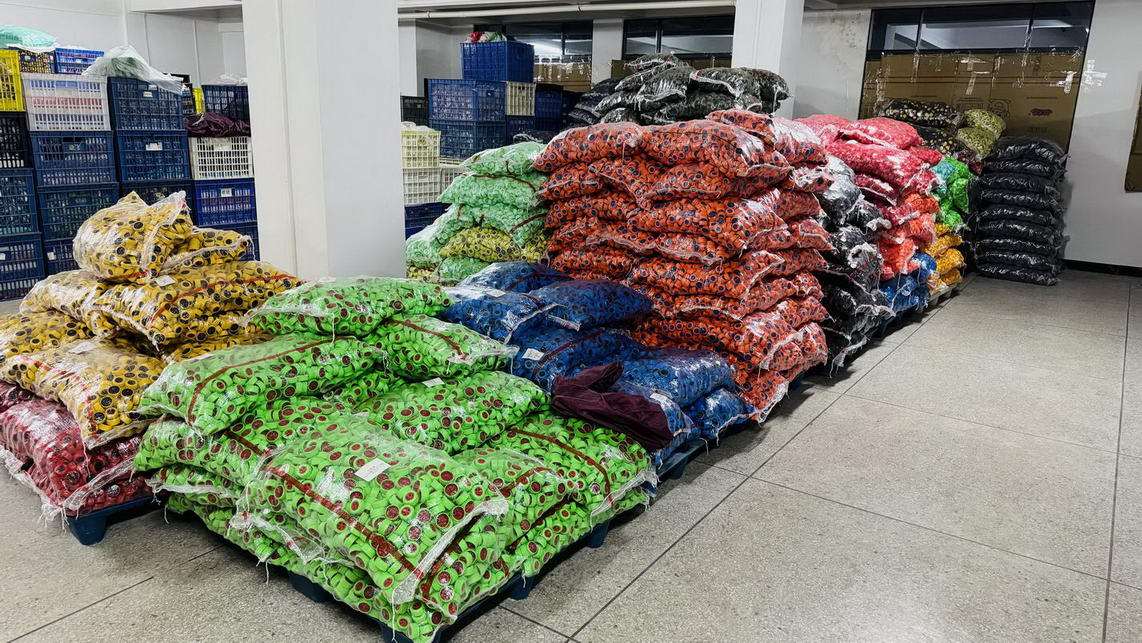
Sustainable Raw Materials
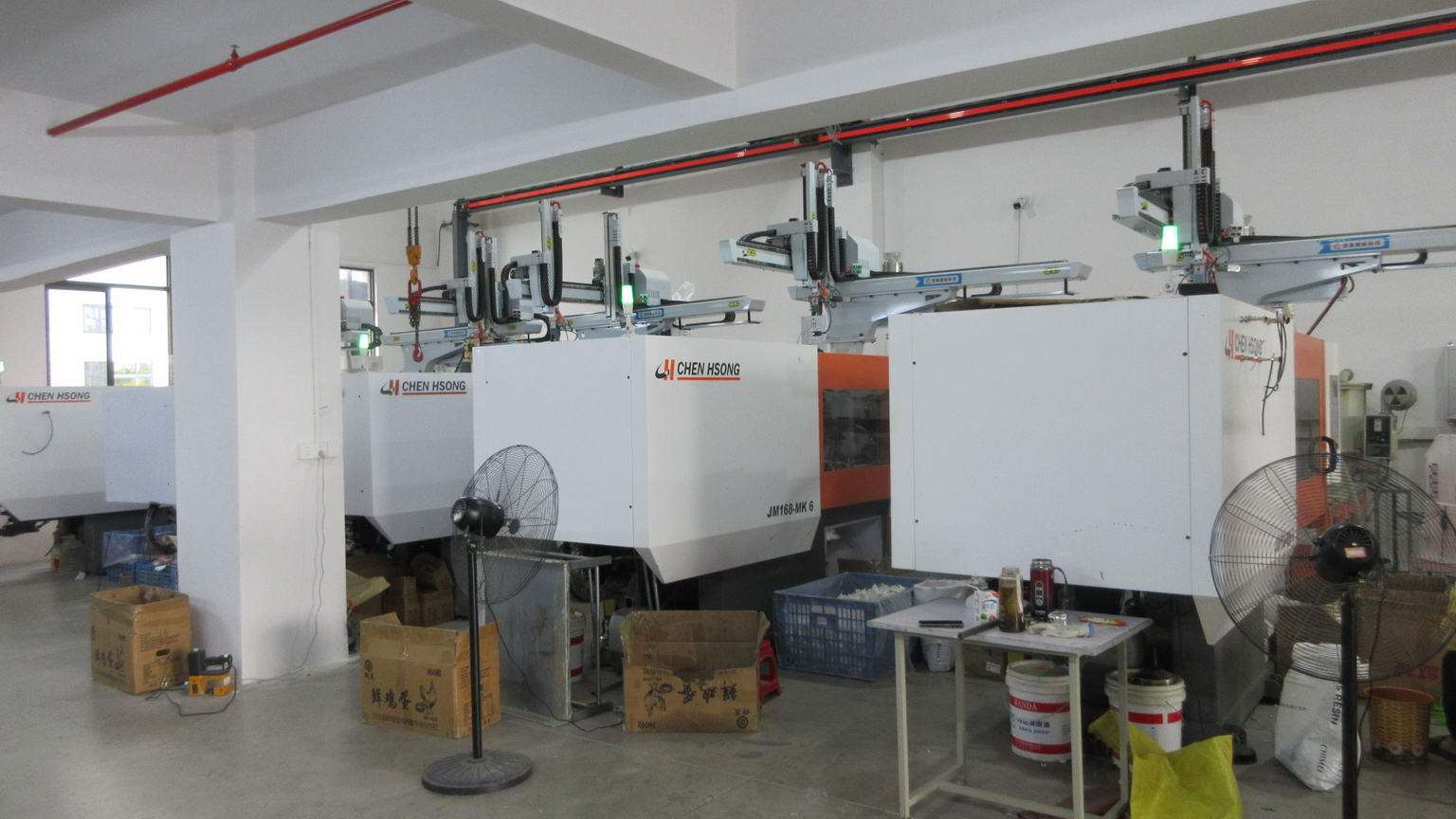
High-Precision Molding
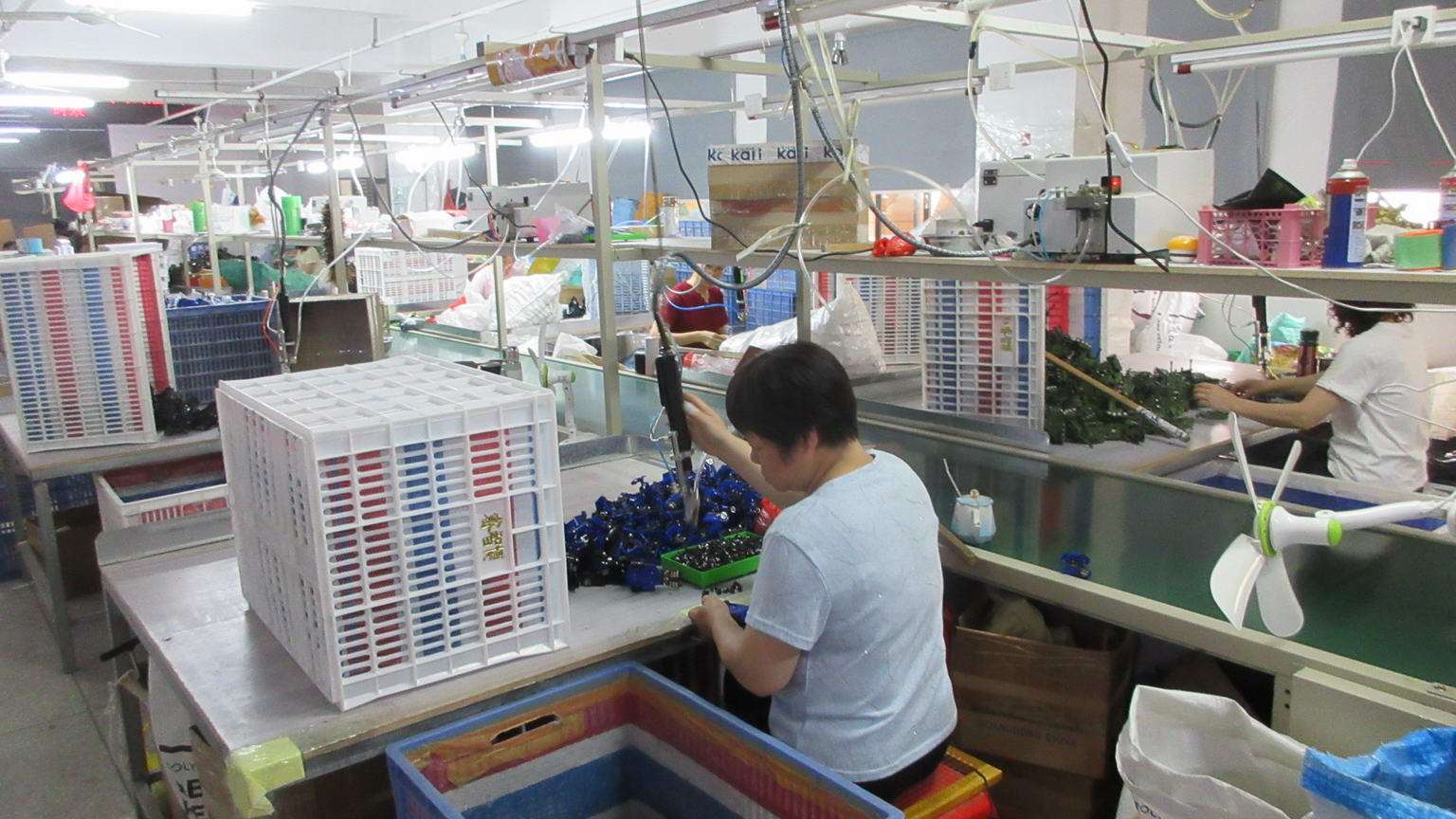
Manual & Auto Assembly
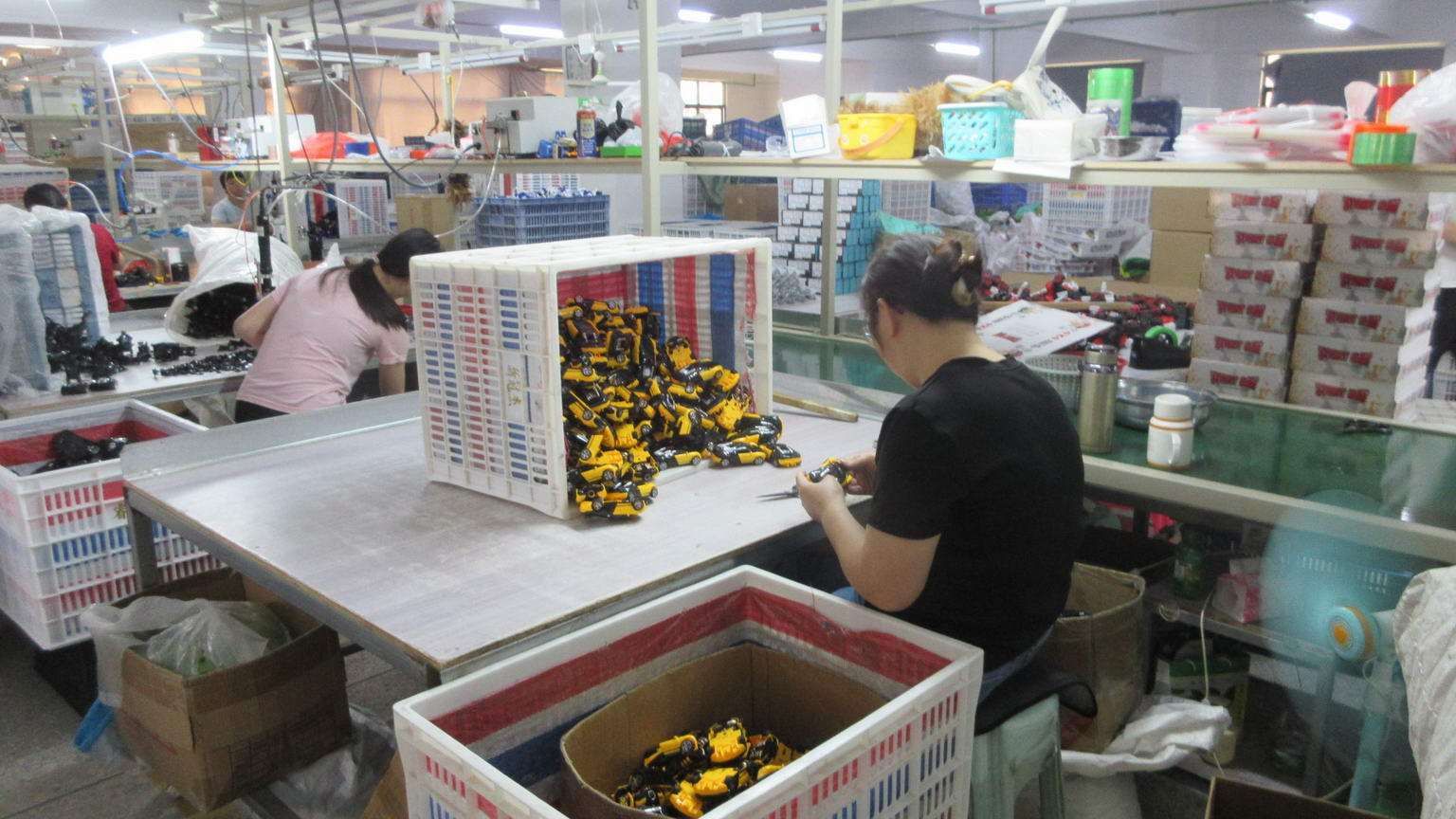
Rigorous Quality Inspection
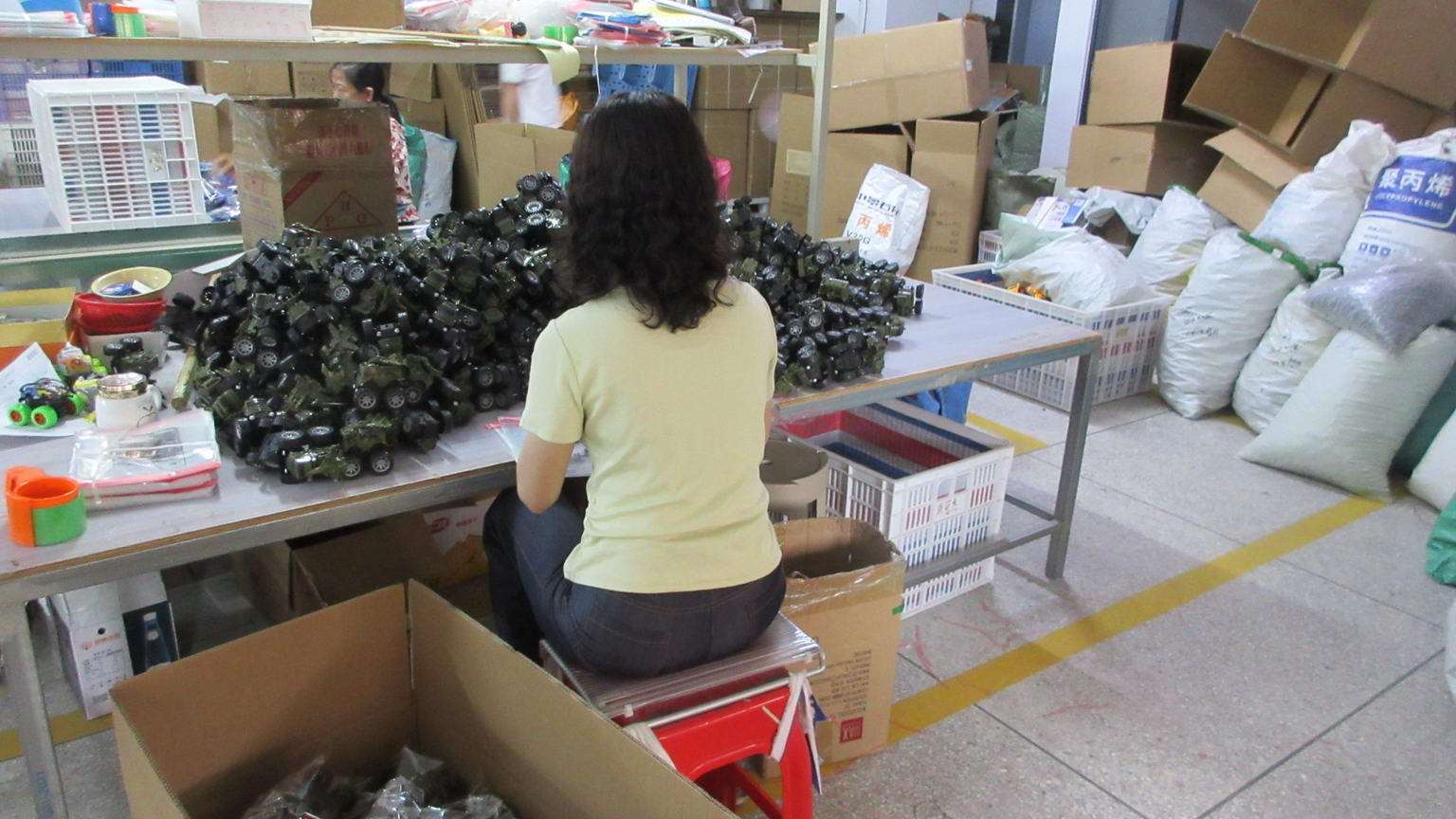
Eco-Friendly Packaging
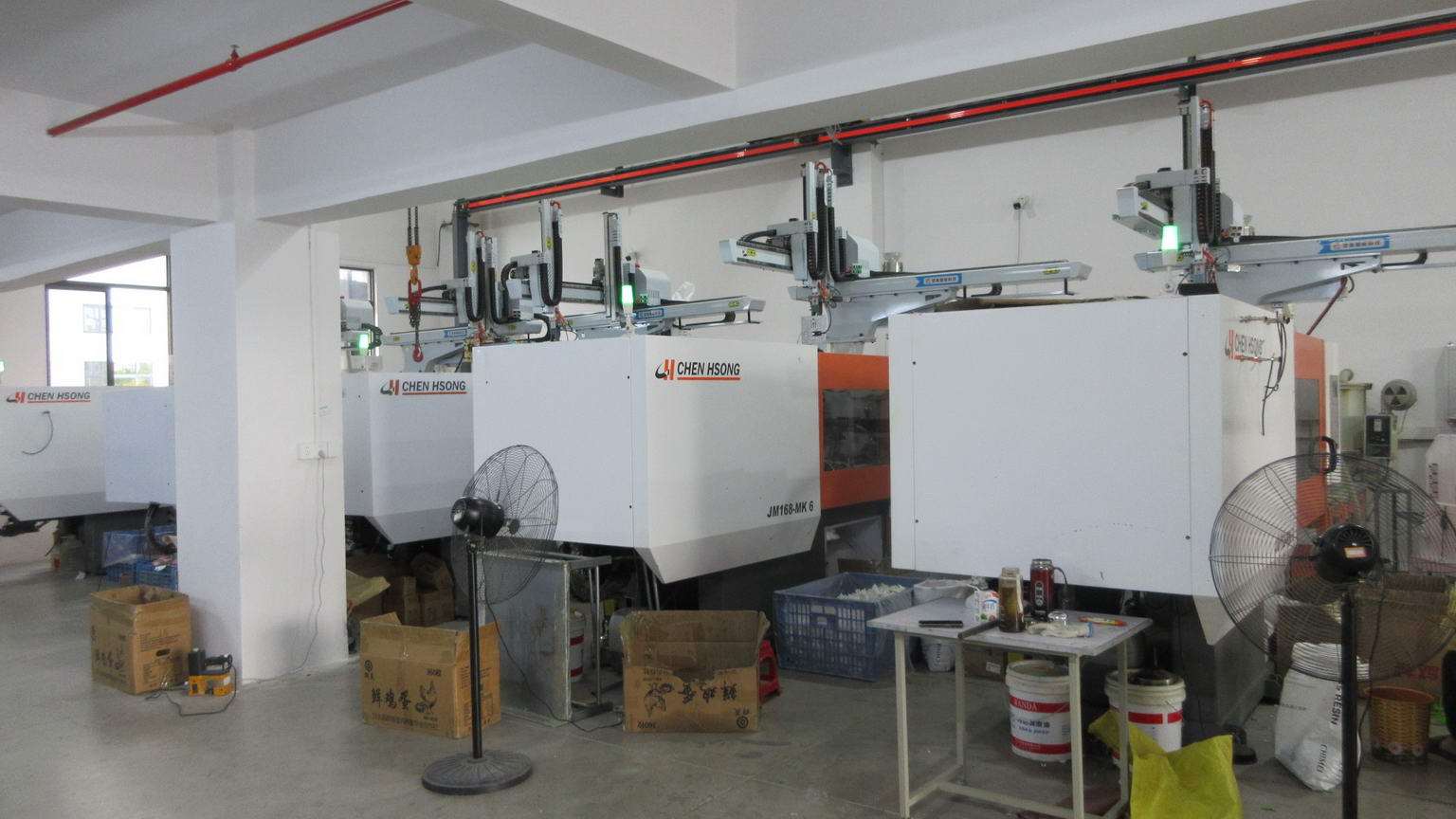
Advanced Machinery
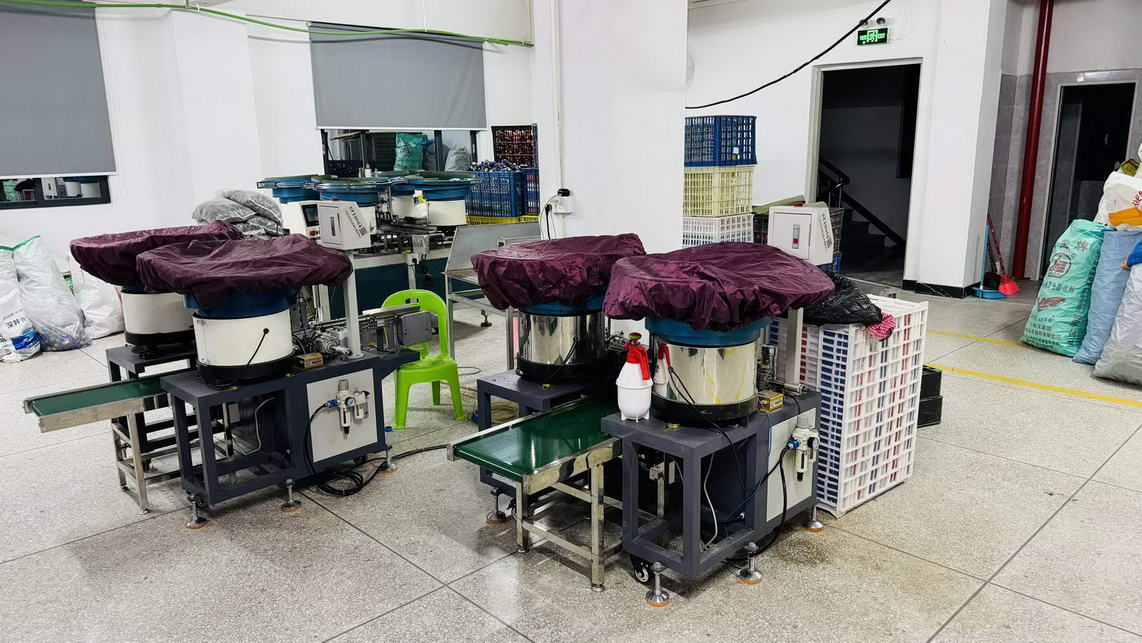
Automated Systems
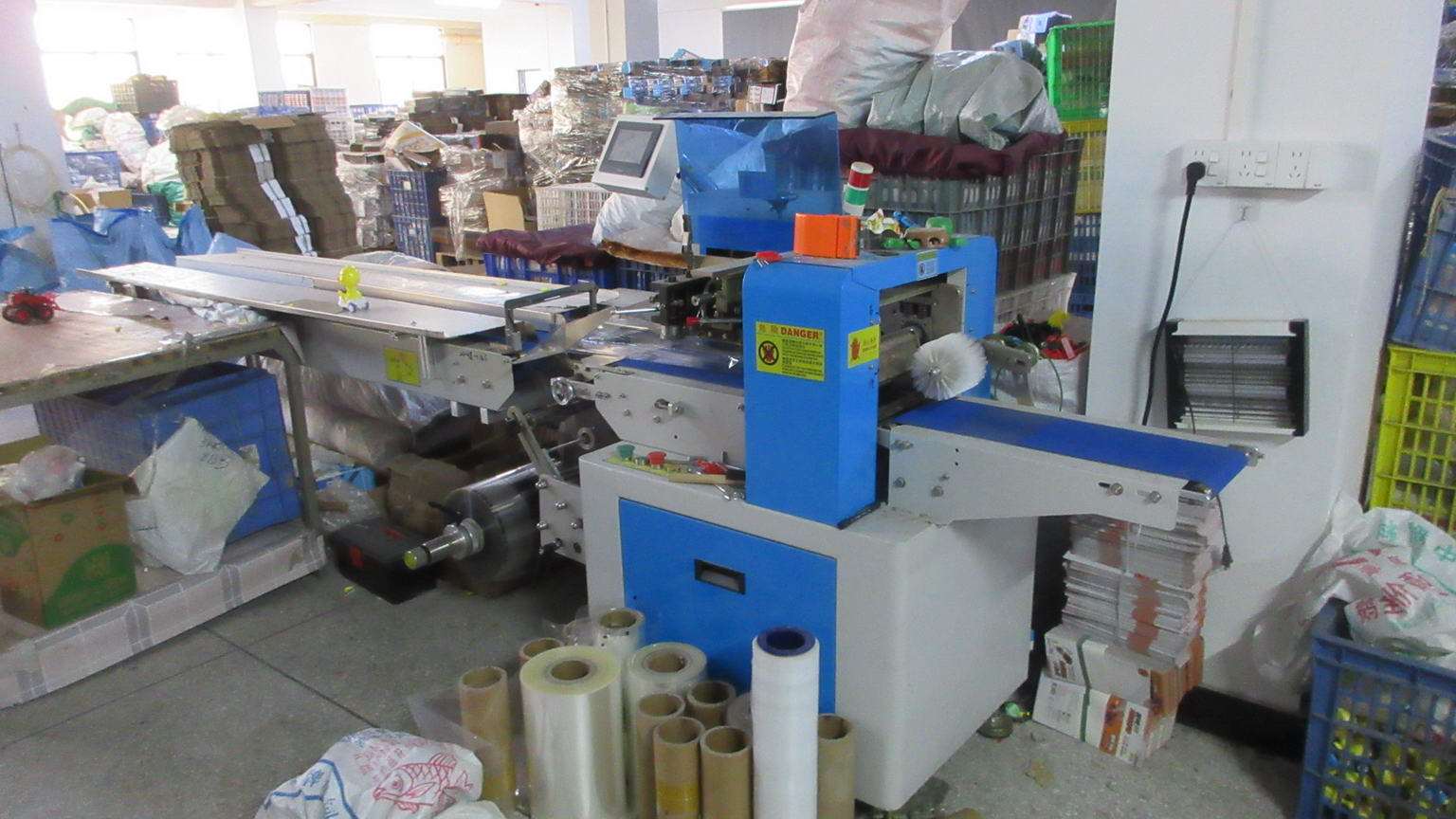
High-Speed Packaging
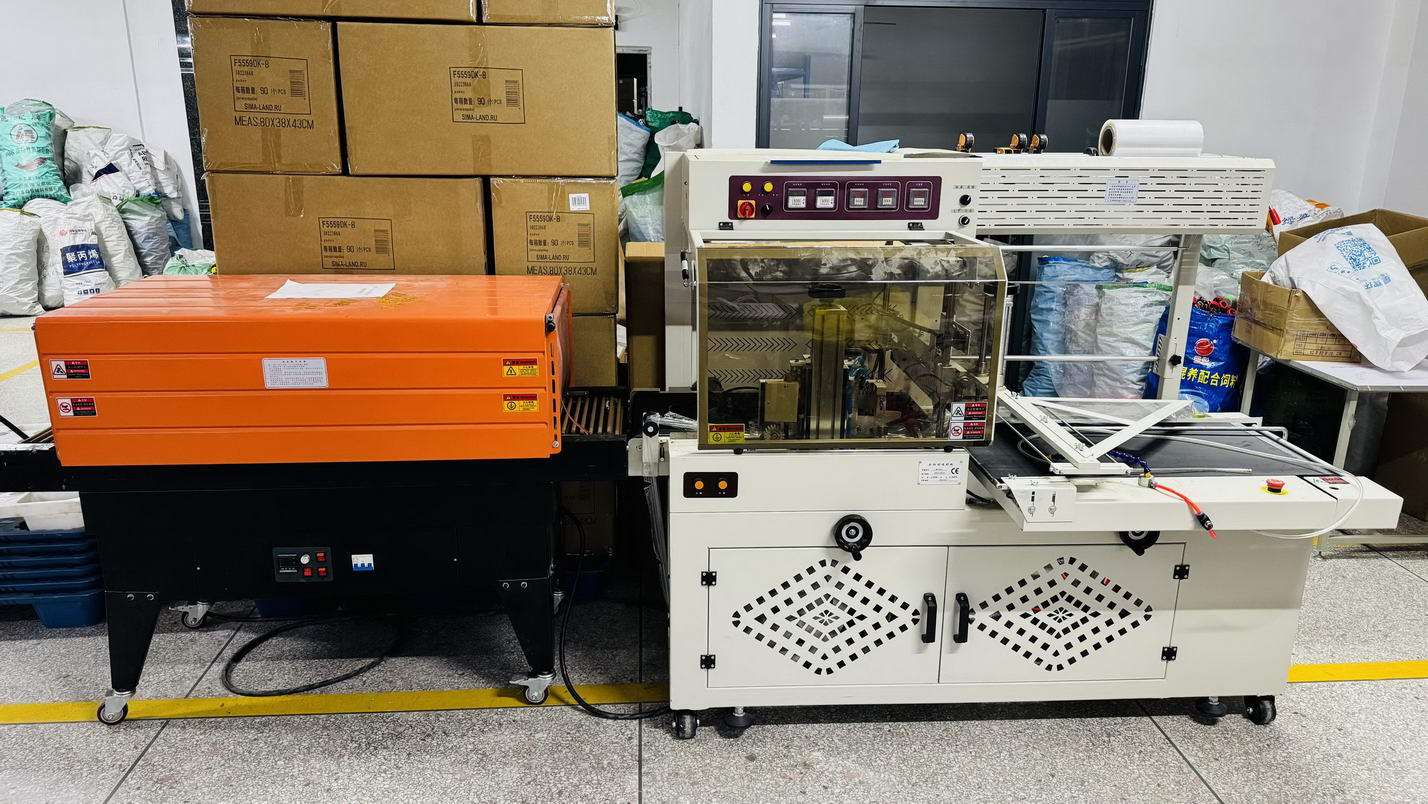
Professional Finishing
In modern SEO and procurement, buyers need deeper insights than just price. They need to know the specific type of wood (e.g., Beechwood's antibacterial properties), the impact on childhood development (fine motor skills), and the circularity of the product. We provide complete technical data sheets for all products.
We maintain an in-house laboratory and partner with third-party testing agencies like SGS and Intertek. Any update in international safety standards triggers a mandatory design review of our entire wooden car portfolio.
Yes. Our Shanghai-based design team works with retailers to develop custom wooden vehicle sets, from branding and UV printing to bespoke packaging designs. We support low MOQ for initial market testing and high-capacity production for seasonal peaks.
For standard models, production takes 25-35 days. Custom OEM projects may require 45-60 days depending on the complexity of the design and certification requirements.
 Hoopla Toys