How to Fix a Remote Control Toy Car That Wont Move?

Time:2026-06-03 Author:Liam
0%

Remote control toy cars bring joy to both kids and adults. However, it can be frustrating when they won’t move. Knowing how to fix a remote control toy car that won't move is essential for enjoying these toys to the fullest. A simple malfunction can ruin your fun, but many issues are easy to resolve.

Understanding common issues can save time and energy. Weak batteries may be the culprit. If the batteries are dead, your toy car won’t respond at all. Moreover, connections and wiring can become loose over time. Regular inspection might reveal problems that are otherwise overlooked. Sometimes, dirt can clog the wheels or interfere with the motor, making the car immobile.

Diagnosing the problem is a journey of trial and error. It requires a bit of patience and observation. Not all fixes are straightforward. Some people may feel discouraged when they can't identify the issue right away. Reflecting on your approach and troubleshooting method can lead to valuable insights. Embracing this process will enhance your repair skills and allow for more enjoyable playtime in the future.
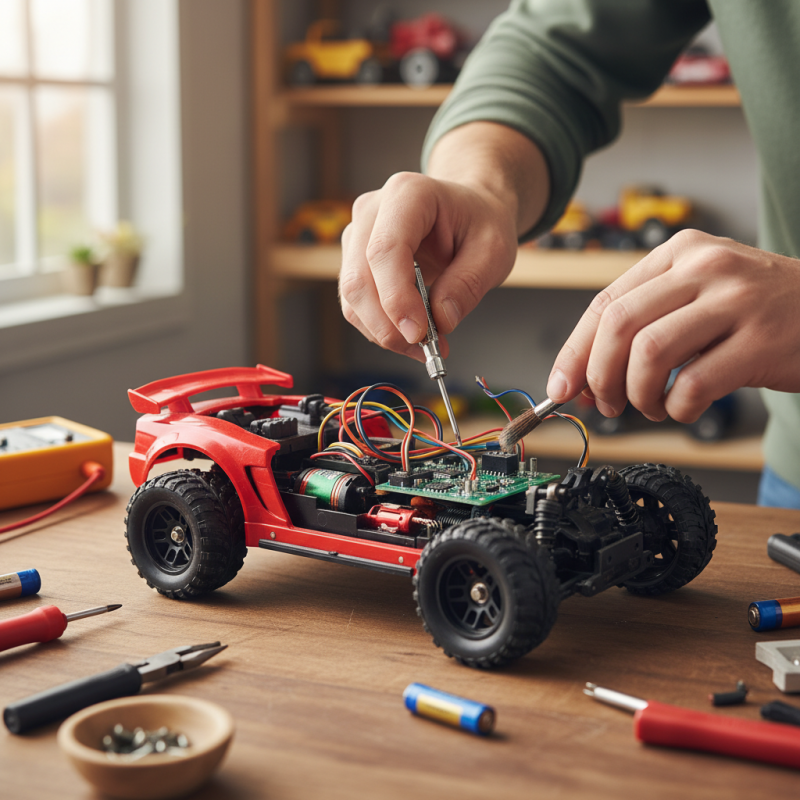
How to Fix a Remote Control Toy Car That Wont Move?

Identify the Symptoms of the Non-Moving Toy Car

When dealing with a remote control toy car that won’t move, identifying the symptoms is crucial. Common issues include a lack of response to the remote, unusual noises, and intermittent movement. According to industry reports, nearly 25% of all toy car malfunctions stem from battery failures. A simple battery replacement can often resolve the issue. Remember to check for corrosion on the battery terminals, which can disrupt the power flow.

Another notable symptom is damaged wheels. If the wheels don’t turn freely, there may be something obstructing them. Sometimes debris, dirt, or even a pet hair can jam the wheels. A survey from a toy safety organization indicates that more than 15% of toy car malfunctions are due to wheel issues. Cleaning them regularly can extend the life of your toy car. Assessing your control signals is also important. If the toy car only moves sporadically, it could be a signal issue, potentially caused by interference from other devices.

It’s vital to evaluate each symptom methodically. Overlooking small details could lead to bigger problems. If everything appears fine yet the car remains immobile, consider the wiring or signal receiver. Faulty connections can be insidious. Keeping your toy car in good working condition requires attention to these specific symptoms.

How to Fix a Remote Control Toy Car That Wont Move? - Identify the Symptoms of the Non-Moving Toy Car

Symptom Possible Cause Troubleshooting Steps Resolution
Car Does Not Respond to Controls Dead Batteries Check battery compartment for corrosion and replace batteries. Replace with fresh batteries.
Car Moves Erratically Signal Interference Move to an open space away from other electronic devices. Reset remote and try again.
Car Moves Slowly Low Battery Power Test battery voltage with a multimeter. Replace batteries if needed.
Car Makes Noises but Won't Move Mechanical Jam Inspect wheels and gears for obstructions. Clear any jams and lubricate moving parts.
Remote Control Doesn't Work Malfunctioning Remote Check for visible damage and replace batteries. Replace remote control if necessary.

Check the Battery and Power Connections

When troubleshooting a remote control toy car that won’t move, checking the battery and power connections is crucial. Start by inspecting the batteries. Ensure they are properly seated in their compartments. Loose or improperly positioned batteries can disrupt the flow of power. It's also vital to check if the batteries are fresh. Old or depleted batteries may still show some power, but not enough to operate the car.

Next, examine the power connections of the remote and the car. Look for any visible damage to the wires or terminals. A frayed wire might prevent the toy from operating. Ensure that the connections are clean and free of corrosion. Sometimes, simply wiggling the wires can help identify a loose connection. If you notice any discrepancies, this might be the cause of your toy car's failure to move.

Don’t forget to consider the remote control itself. If the buttons feel sticky or unresponsive, it could lead to performance issues. Check the battery compartment of the remote as well. A common oversight is neglecting to check both devices thoroughly. Reflect on your previous experiences with electronic devices. Each time you troubleshoot is an opportunity to learn and improve your skills.

Battery and Power Connection Check for Remote Control Toy Cars

Inspect the Remote Control for Malfunctions

Inspecting the remote control is crucial when your toy car won't move. First, check the batteries. Weak batteries are a common issue. According to a report by the Consumer Electronics Association, 30% of remote control malfunctions stem from dead batteries. Replace them with fresh ones to see if that solves the issue.

Next, examine the remote's functionality. Look for any signs of physical damage. A cracked casing or loose buttons can disrupt the connection between the remote and the car. Research indicates that about 20% of users experience issues due to damages from drops or spills. Test each button individually to ensure they respond correctly. You may find that certain buttons do not work, leading to a loss of control.

Finally, it’s essential to inspect the connection. The infrared sensor or Bluetooth module needs to work properly. Misalignment or dirt can interfere with signals. A clean remote can enhance performance significantly. Regular maintenance is often overlooked but is vital for longevity. If the remote still fails, consult professionals for repair or replacement options.

Examine the Toy Car's Motors and Wheels

When dealing with a remote control toy car that won't move, examining the motors and wheels is crucial. Start by inspecting the wheels. Ensure there is no debris, such as dirt or small stones, stuck in the wheel wells. This can hinder movement. Clean the wheels gently with a cloth. Sometimes, wheel alignment can cause issues as well. Check if they spin freely.

Next, turn your attention to the motors. These components power the car’s movement. A disconnected wire or a damaged motor could be to blame. Open the casing carefully and look for wear or tear on the wires. If the motor looks burnt or makes unusual noises, it might need replacement.

While examining the mechanics, reflect on your assembly technique. If you have reassembled the car before, were all screws tightened properly? Loose parts can cause frustrating behavior. This hands-on experience teaches you how small changes can lead to a big impact. The more often you troubleshoot, the better your skills will become.

Troubleshoot and Replace Damaged Components

When a remote control toy car refuses to move, it often indicates a deeper issue. Start your troubleshooting journey by examining the battery compartment. Remove the batteries and inspect them for corrosion or leakage. This could impair electrical contact. If you notice any damage, replace the batteries.

Next, check the wiring inside the car. Sometimes, wires become loose or disconnected. Look for frayed wires as well. They can prevent power from reaching the motor. If you find any damaged wires, consider using electrical tape for minor fixes. For more permanent solutions, solder the ends back together.

Another common issue is the motor itself. Ensure it's clean and free from debris. A stuck motor may not respond even when power is supplied. If cleaning doesn’t help, you may need to replace the motor. This task can be tricky, so don’t hesitate to seek help if needed. Sometimes, the frustration of minor repairs can lead to overlooking simple problems, like faulty connections. A steady approach will guide you through the process.

FAQS

: What should I do when my toy car won’t respond to the remote?

: Start by checking the batteries. Weak or old batteries often cause this issue.

How can I tell if the batteries are the problem?

Inspect the batteries for wear. If they seem old, replace them and test the car again.

What if the toy car moves intermittently?

This could indicate a signal issue. Look for interference from other devices or check the remote.

What common issues can obstruct the wheels?

Debris, dirt, or pet hair can jam the wheels. Cleaning them regularly can help prevent this.

How can I assess the wiring of the toy car?

Look for visible damage to wires and ensure connections are tight. Loose connections often cause malfunctions.

What if the remote control feels unresponsive?

Check for sticky buttons or cracks. Physical damage can disrupt the connection with the toy car.

How often should I clean my remote control?

Regular cleaning is essential. Neglecting this can lead to performance issues over time.

What should I do if everything seems fine but the car still won’t move?

Consider inspecting the signal receiver. Faulty connections can be hard to detect but are crucial.

How does corrosion affect the toy car’s performance?

Corroded terminals can disrupt power flow. Clean any corrosion to ensure better functionality.

Why is it important to evaluate symptoms methodically?

Overlooking small issues may lead to bigger problems later. Take time to assess each part thoroughly.

Conclusion

When learning how to fix a remote control toy car that won't move, it is essential to start by identifying the symptoms of the issue. This may include unusual sounds, a lack of response from the car, or reception problems with the remote control. Once you have a clear understanding of the problem, check the battery and power connections to ensure everything is functioning correctly.

Next, inspect the remote control for any malfunctions, such as damaged buttons or connectivity issues. It's also crucial to examine the toy car's motors and wheels for blockages or damage that might prevent movement. If any components are found to be defective, troubleshoot them and replace as necessary. By following these steps, you can effectively resolve the issue and get your remote control toy car back in action.

Liam

Liam

Liam is a dedicated marketing professional with a profound expertise in the industry, where he excels at highlighting the unique advantages of our core products. With a keen understanding of market trends and consumer needs, Liam frequently updates our company’s professional blog, providing......